Behind the Glossy Renderings
The presentation boards gleamed under the fluorescent lights of City Hall’s main conference room last Tuesday night. Sleek glass towers, manicured green spaces, and families walking hand-in-hand down tree-lined boulevards. Peninsula Development Group’s proposal for the old Riverside Mill site looked like something out of an architectural magazine. But after covering municipal politics for fifteen years, I’ve learned to look past the pretty pictures.
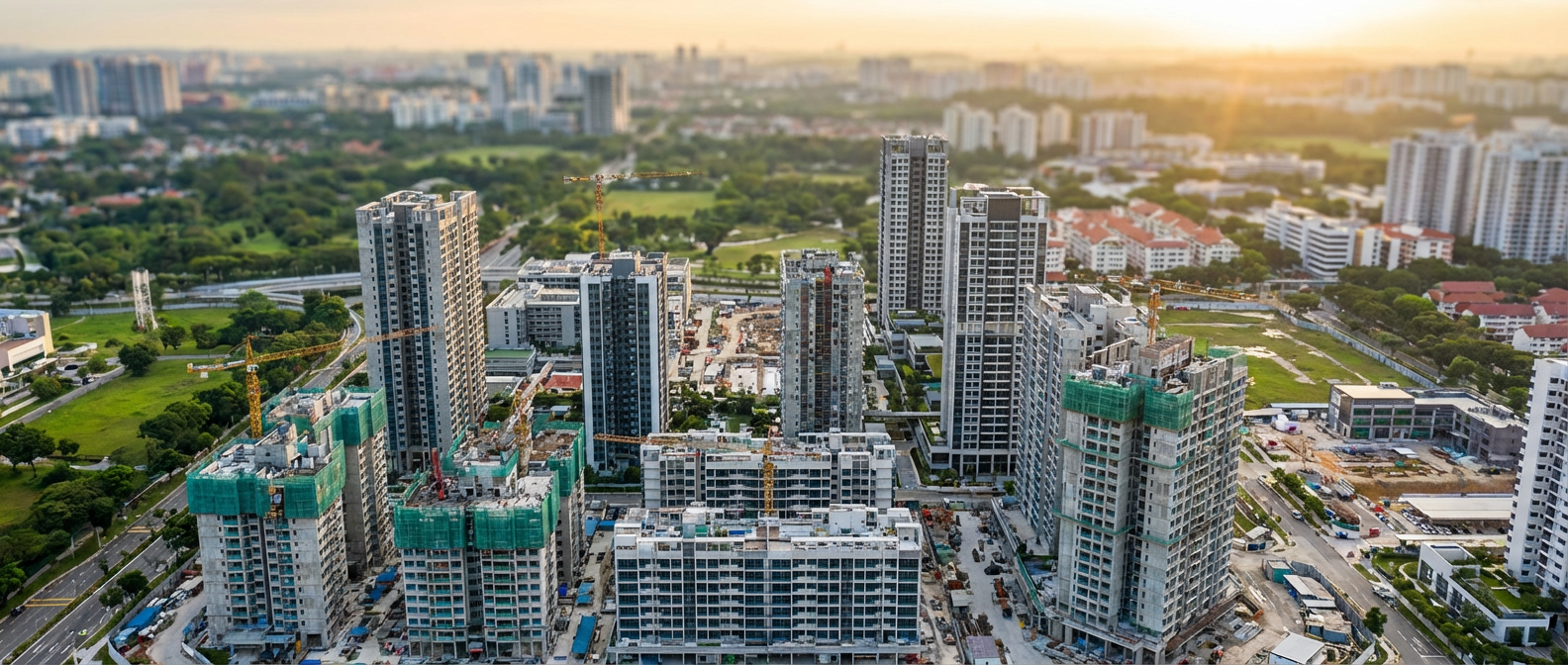
The numbers tell a different story than the renderings suggest. This $47 million mixed-use development promises 180 residential units, 25,000 square feet of retail space, and a public waterfront park. Yet buried in the 400-page proposal document sits a detail that didn’t make it into the developer’s PowerPoint: only 18 of those residential units will qualify as affordable housing under the city’s inclusionary zoning ordinance.
That’s exactly 10 percent. The bare minimum required by law. For a project this size, in a city where median home prices have jumped 34 percent in three years, meeting the minimum feels like a missed opportunity at best, a deliberate choice at worst.

The Infrastructure Question Nobody Asked
During public comment, residents raised predictable concerns about traffic and parking. But the real infrastructure challenge lies underground, in pipes and pumps most people never think about. The city’s water treatment facility is already operating at 89 percent capacity according to last month’s utility department report. It will need major upgrades to handle this project’s demand.
Public Works Director Maria Santos confirmed in a phone interview that the developer has agreed to pay impact fees totaling $2.3 million. Those fees cover about half the estimated cost of necessary water system improvements. The rest will come from general fund reserves, meaning existing taxpayers will subsidize infrastructure for a development that many of them can’t afford to live in.
The sewer system presents an even thornier problem. The main trunk line serving this area dates to 1987 and shows stress during heavy rainfall events. Last spring’s flooding in the Riverside neighborhood, which damaged twelve homes, can be traced partly to capacity issues in this same system. City Engineer Tom Bradley told me the developer’s engineering study “addresses the immediate connection requirements but doesn’t fully account for cumulative system stress.”
Following the Money Trail
Peninsula Development Group isn’t a household name locally, but a closer look at corporate filings reveals interesting connections. The company’s managing partner, David Chen, previously developed similar projects in Portland and Sacramento. His track record includes two developments that faced major cost overruns and completion delays, ultimately requiring municipal intervention to resolve contractor disputes.
More concerning is the financing structure. The project relies heavily on state low-income housing tax credits for the affordable component. This is despite those units representing such a small percentage of the total. Taxpayer subsidies are supporting a project that primarily serves market-rate buyers and renters. It’s perfectly legal, but it raises questions about whether public incentives are being used as intended.
The city’s economic development office estimates the project will generate $340,000 annually in new property tax revenue once completed. That sounds impressive until you consider the opportunity cost. The current property, owned by the Riverside Mill Foundation, pays about $23,000 annually despite its nonprofit status through various fee arrangements. The net gain of roughly $317,000 per year will take seven years just to offset the city’s infrastructure investment. That’s not accounting for ongoing maintenance costs.
What This Means for Riverside Residents
The families living in the modest single-family homes surrounding the proposed development site didn’t ask for a neighborhood transformation. Many moved here precisely because it felt like a slice of old-town character in an increasingly modernized city. Margaret Torres, who has lived on Mill Street for 23 years, summed up the sentiment shared by several neighbors I spoke with: “We’re not against progress, but this feels like progress for other people.”
The traffic study commissioned by the developer predicts an additional 1,200 vehicle trips per day once the project is fully occupied. Most of that traffic will funnel through residential streets that weren’t designed for such volume. The proposed mitigation measures include new stop signs and crosswalks, but no major infrastructure improvements to handle the increased flow.
Perhaps more significantly, the project will likely accelerate property value increases in the surrounding area. While existing homeowners might welcome higher property values in theory, fixed-income residents and renters face the prospect of being priced out of their own neighborhood. The city’s recent housing needs assessment identified displacement of long-term residents as a primary concern in areas experiencing rapid development.
The Bigger Picture
This single development won’t make or break our city’s housing crisis. But it represents a pattern worth examining. Across the region, communities are grappling with how to balance growth pressures with preservation of neighborhood character and affordability. Some cities have strengthened inclusionary housing requirements, requiring 15 or 20 percent affordable units in new developments. Others have implemented more aggressive impact fees to ensure developers bear the full cost of necessary infrastructure improvements.
The Peninsula project will likely win approval next month. The city council has rarely rejected a development that meets basic zoning requirements, even when community concerns are significant. But the conversation shouldn’t end there. This project offers an opportunity to examine whether our current development policies are producing the kind of growth our community actually needs.
I’ll be watching the council meeting next Tuesday, scanner tuned to the usual frequencies, ready to follow whatever story emerges from the inevitable late-night deliberations. If you have thoughts about this project or want to share your own experiences with development in your neighborhood, you know where to find me. These stories matter most when they reflect the voices of people who actually live with the consequences of these decisions.