Why Campaign Finance Reports Matter More Than Campaign Promises
Every October, when the campaign finance reports hit my desk, I pour another cup of coffee and settle in for what amounts to detective work. This year’s filings for our city council race tell a story that goes far deeper than the yard signs sprouting across neighborhoods or the carefully crafted messages flooding social media feeds.
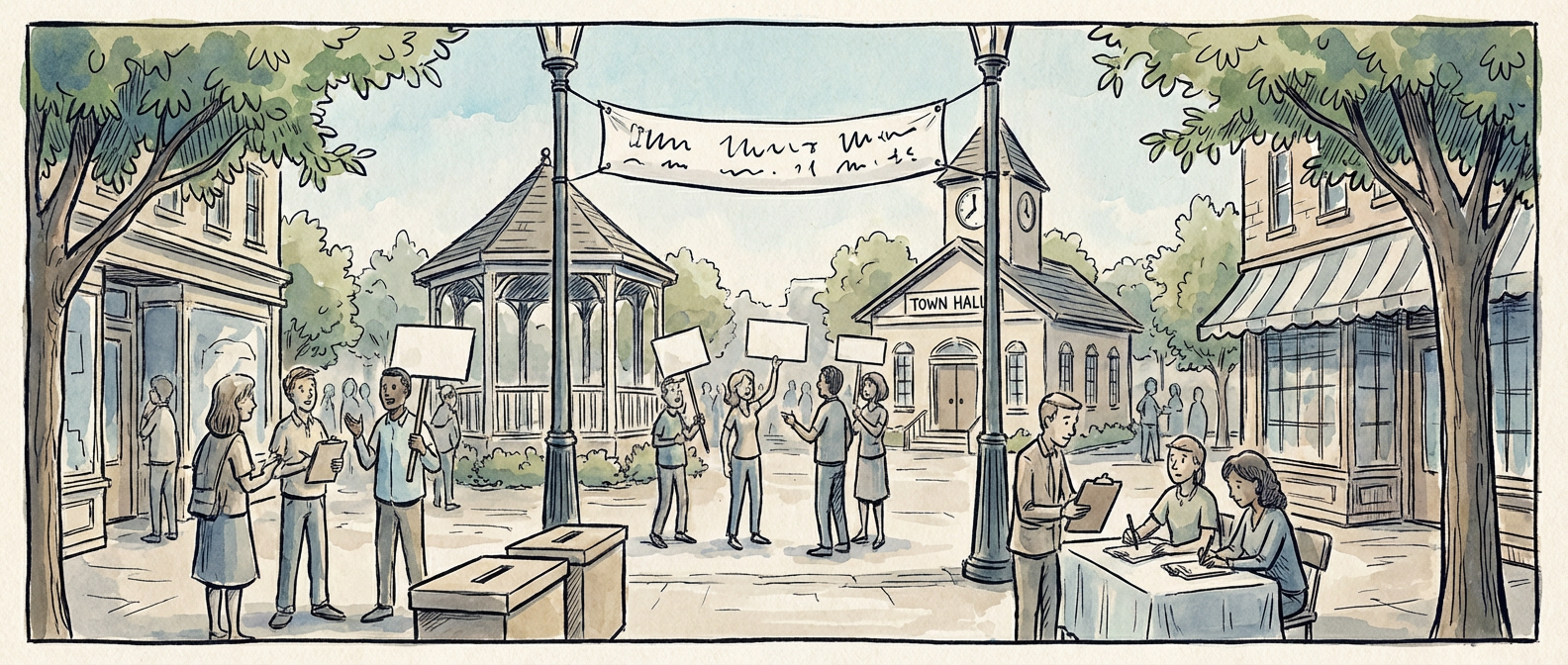
The numbers show three distinct patterns that explain why this election feels different from previous cycles. The average campaign contribution has dropped to $47, down from $83 in 2021. Local business contributions have fallen by 60 percent compared to the last municipal election. And here’s the kicker: individual donor participation has increased by 150 percent, with 340 residents contributing to campaigns compared to 136 four years ago.
These figures point to something municipal politics experts have been tracking nationwide: a real shift in how local campaigns get funded and, by extension, how candidates connect with voters. When I called Dr. Sarah Chen at the university’s public administration program, she confirmed what the data suggests. “We’re seeing regular people taking back local political funding,” she explained. “Candidates can’t rely on a handful of large donors anymore. They have to build genuine grassroots support.”

The Housing Crisis Driving Voter Engagement
Behind these funding patterns lies the issue that has transformed our typically sleepy municipal elections into something approaching passionate advocacy: housing affordability. Three of the five council candidates have made housing their primary campaign focus, and it shows in both their fundraising and their event attendance.
At the candidate forum last Tuesday at the community center, I counted 87 people in attendance. That might not sound impressive until you consider that the 2021 forums averaged 23 attendees. The difference becomes clear when you listen to the questions. Instead of abstract policy discussions, residents are asking pointed questions about their own situations. How will the proposed density changes affect their neighborhood? What happens to renters when properties get rezoned? Will new development include affordable units or just market-rate condos?
Incumbent councilwoman Maria Santos has been fielding calls about housing policy since the state legislature changed local zoning requirements last spring. “People who never paid attention to city council meetings are suddenly experts on R1 versus R2 zoning classifications,” she told me during a brief conversation at the farmers market. “They understand that these decisions directly affect whether their kids can afford to live in the same community where they grew up.”
The housing focus has also created unusual political alliances. Environmental groups that typically oppose development have endorsed candidates who support increased density along transit corridors. Meanwhile, neighborhood associations that usually advocate for preservation have backed candidates promoting affordable housing mandates. These crosscurrents help explain why traditional fundraising patterns have shifted so dramatically.
The Infrastructure Reality Check
While housing dominates the conversation, infrastructure needs provide the sobering backdrop that grounds campaign promises in fiscal reality. The city’s capital improvement plan, released in August, estimates a $34 million shortfall over the next five years for basic road, water, and sewer maintenance. This number forces candidates to move beyond wishful thinking and address concrete trade-offs.
Challenger David Kim has built his campaign around what he calls “infrastructure honesty.” His proposal to implement a transportation impact fee for new developments has earned support from residents tired of watching their streets deteriorate while new housing projects add traffic without contributing to road maintenance. When I asked him about the political risk of proposing new fees, Kim was direct: “Voters are smart enough to understand that infrastructure costs money. What they can’t stand is politicians who promise everything without explaining how to pay for it.”
The infrastructure challenge has forced all candidates to engage with the municipal budget in ways that previous campaigns avoided. Public works director James Morrison has become an unlikely campaign season celebrity, fielding candidate requests for briefings on water system capacity and storm drain improvements. “I’ve given more presentations to candidates this year than in the previous three election cycles combined,” Morrison noted when I caught up with him after the latest council meeting.
The Generational Divide in Campaign Strategy
Maybe the most striking aspect of this year’s race is how campaign strategies reflect the changing demographics of local political engagement. Candidates under 45 have embraced digital organizing tools that older politicians are still learning to navigate, while established candidates rely on traditional networks that younger voters often find inaccessible.
Challenger Lisa Rodriguez has raised nearly $8,000 through small online donations, primarily from residents under 35. Her campaign uses text banking to coordinate volunteers and hosts “policy and pizza” sessions in supporters’ living rooms. This approach has allowed her to connect with renters and recent homebuyers who work irregular schedules and can’t attend traditional evening campaign events.
By contrast, incumbent Tom Bradley continues to rely on the phone tree and coffee shop meetings that have sustained his political career for two decades. His fundraising comes primarily from established business relationships and longtime residents who know him personally. Neither approach is inherently superior, but they represent different theories about who participates in local politics and how candidates should reach them.
The generational divide extends beyond campaign tactics to policy priorities. Younger candidates emphasize climate resilience and transit connectivity, while established politicians focus on fiscal stability and neighborhood character preservation. These differences have created real policy debates that go well beyond the personality-driven conflicts that often characterize small-town politics.
What the Numbers Actually Predict
After covering eight municipal election cycles, I’ve learned that campaign finance reports predict outcomes more accurately than polls or endorsements. This year’s data suggests a competitive race with no clear frontrunner, which explains why all five candidates are still actively fundraising three weeks before election day.
The broad-based fundraising patterns indicate high voter turnout potential, particularly among residents who typically skip municipal elections. If that prediction proves accurate, candidates who have invested in grassroots organizing may outperform those who have relied on traditional coalition building. The housing crisis has created a motivated voter base that extends well beyond the usual municipal election participants.
However, the infrastructure funding challenge provides a reality check that could favor candidates with specific implementation plans over those offering pie-in-the-sky visions. Voters who are engaged enough to contribute to campaigns are also informed enough to ask tough questions about fiscal responsibility and project timelines.
As always, the most interesting stories emerge in the final weeks before election day, when candidates must balance broad appeals with specific commitments. I’ll be watching for how they navigate these tensions in their closing messages, and which version of municipal leadership resonates with voters who are clearly paying closer attention than ever before.